



Italy is synonymous with wine. With a rich history of winemaking that dates back over 3,000 years, the country is home to some of the world’s most iconic wines and grape varieties. From the rolling vineyards of Tuscany to the volcanic soils of Sicily, every region of Italy has its own unique terroir, traditions, and flavors. This map provides a glimpse into the diverse wine landscape of Italy, helping wine lovers explore the best the country has to offer.
Understanding Italy’s Wine Regions
Italy is divided into 20 wine-producing regions, each with its own distinct climate, soil composition, and indigenous grape varieties. These regions can be grouped into Northern, Central, and Southern Italy, as well as the islands of Sicily and Sardinia. The country’s wines are classified under a strict designation system, including DOC (Denominazione di Origine Controllata) and DOCG (Denominazione di Origine Controllata e Garantita) labels, which guarantee quality and origin.
Northern Italy: Elegant Whites and Bold Reds
The northern regions of Italy benefit from cooler temperatures, producing wines with crisp acidity and refined structure.
- Piedmont: Known for its world-famous Nebbiolo-based wines, including Barolo and Barbaresco, as well as Barbera and Dolcetto.
- Veneto: Home to Prosecco, Italy’s most famous sparkling wine, as well as Valpolicella and Amarone.
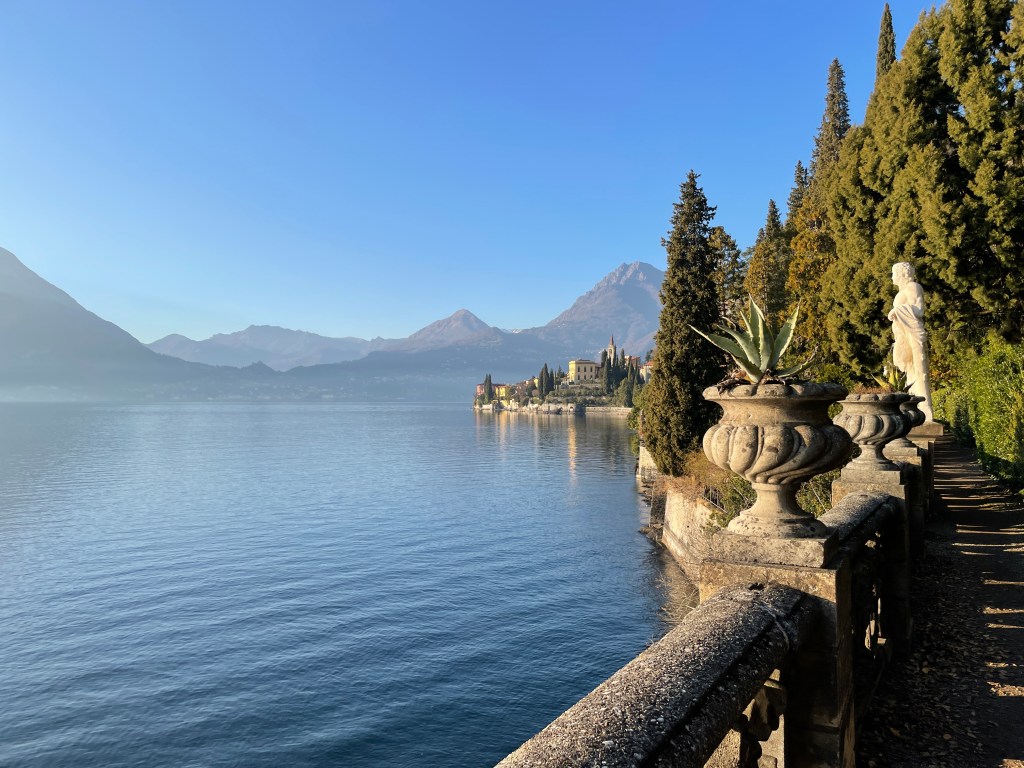
- Lombardy: Produces elegant Franciacorta (Italy’s answer to Champagne) and Nebbiolo in Valtellina.
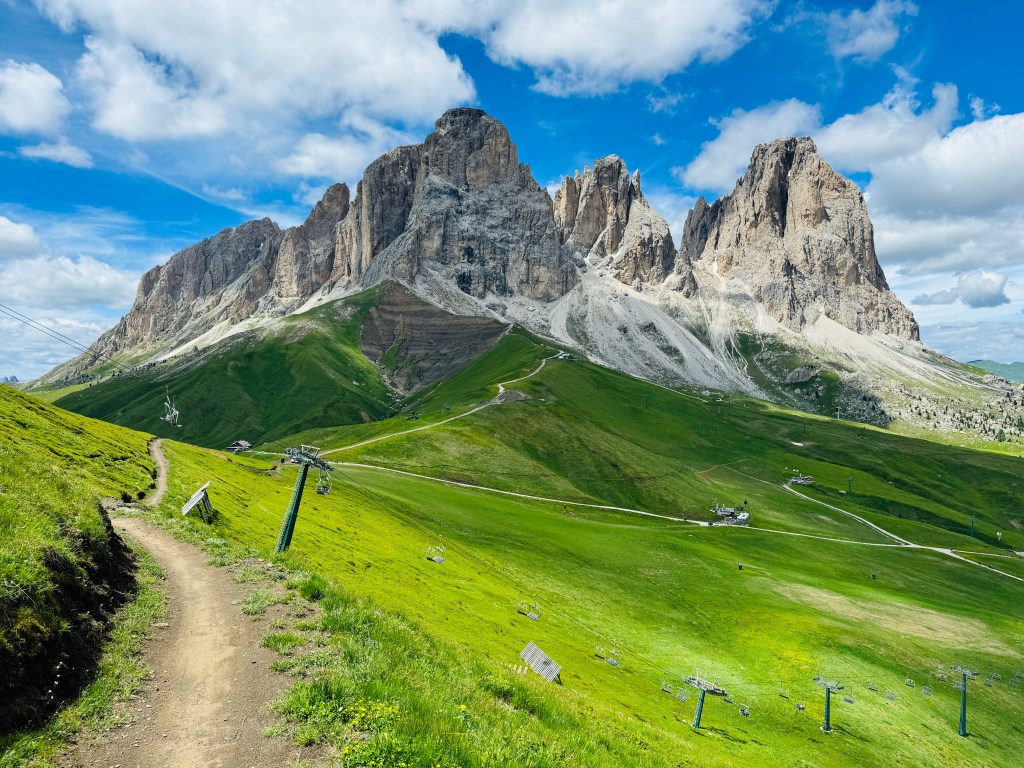
- Trentino-Alto Adige: A haven for crisp Pinot Grigio, Lagrein, and aromatic Gewürztraminer.
- Friuli-Venezia Giulia: Renowned for its Sauvignon Blanc, Friulano, and skin-contact orange wines.
Central Italy: Iconic Reds and Timeless Traditions
Central Italy is home to some of the most recognizable Italian wines, known for their structure, depth, and age-worthiness.
- Tuscany: The land of Chianti, Brunello di Montalcino, and Super Tuscans, crafted mainly from Sangiovese.
- Umbria: Produces Sagrantino, a bold and tannic red wine, along with Grechetto.
- Marche: Known for Verdicchio, a refreshing and aromatic white wine.
- Lazio: Produces Malvasia and Trebbiano, commonly found in the white wines of Frascati.
Southern Italy: Bold and Intense Flavors
The warm climate of Southern Italy results in powerful, fruit-forward wines with rich textures.
- Campania: Home to Aglianico, used in Taurasi wines, as well as Fiano and Greco.
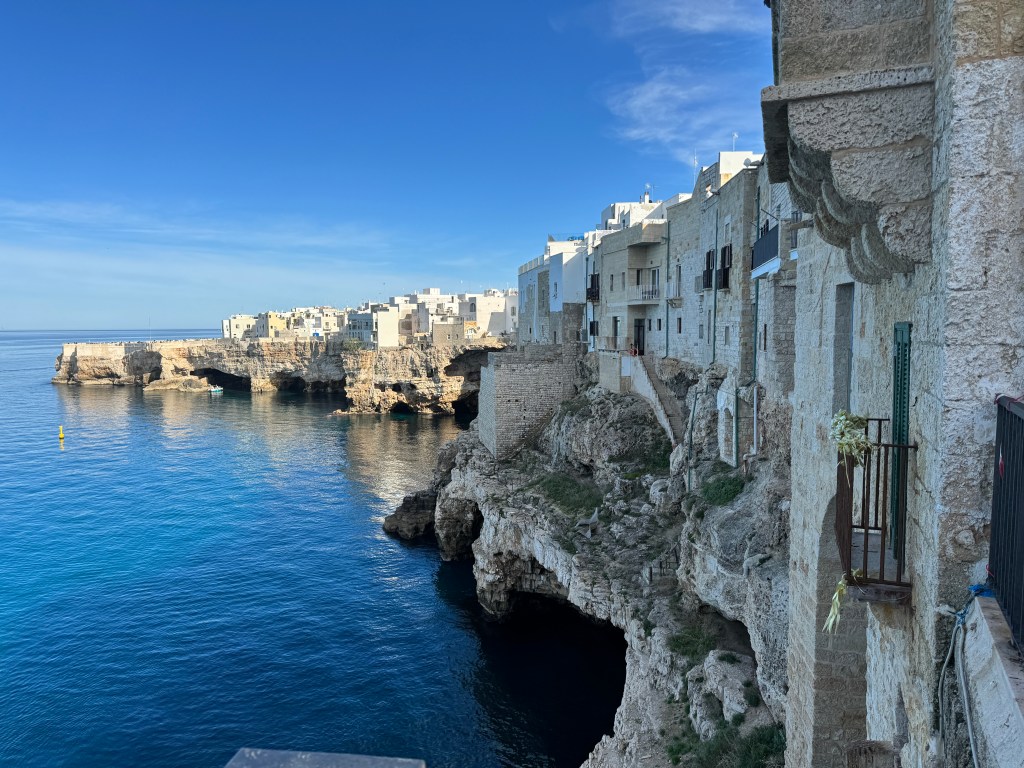
- Puglia: The land of Primitivo (related to Zinfandel) and Negroamaro, producing robust reds.
- Basilicata: Produces Aglianico del Vulture, a high-altitude red wine with great aging potential.
- Calabria: Known for Gaglioppo, an ancient red grape variety.
The Islands: Unique Terroirs and Distinctive Wines
Italy’s islands, Sicily and Sardinia, offer volcanic and coastal wines with extraordinary character.
- Sicily: Famous for Nero d’Avola, Cataratto, Grillo, and Marsala.
- Sardinia: Produces Cannonau (Grenache) and Vermentino, a crisp and aromatic white wine.
Exploring Italy One Glass at a Time
Italy’s wine regions offer something for every palate, whether you love bold reds, elegant whites, or sparkling wines. Each region tells a story of tradition, climate, and passion, making Italian wine not just a drink, but an experience. Whether you are planning a trip to Italy’s vineyards or simply selecting a bottle for your next meal, this guide will help you appreciate the diversity and richness of Italian wine.