

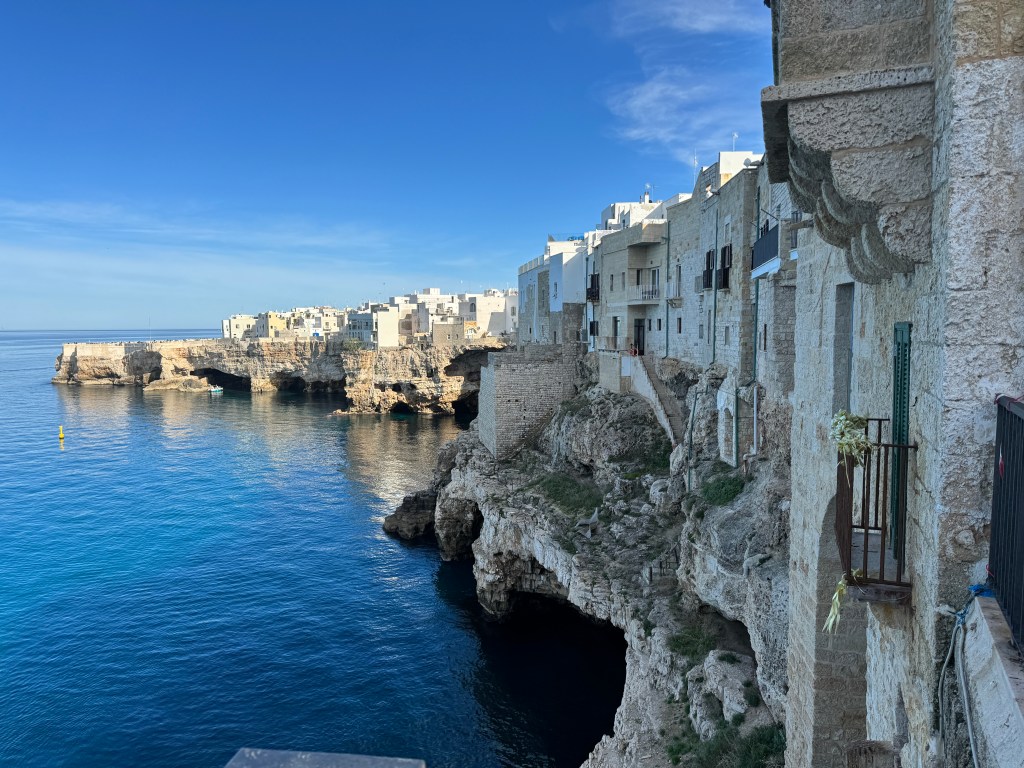


Destinations · Sicily, plus Malta next door
Sicily & Malta bespoke tours
Greek temples, an active volcano, baroque towns and the best food in Italy, with an easy crossing to Malta, an independent country just two hours south by ferry.

Two islands, two countries
Planned as one smooth journey
We design custom itineraries across Sicily, part of Italy, and Malta, an independent island nation just south of it, so you can explore both with clear planning and reliable ground support.
We organise private drivers, boat and yacht charters, licensed guides and hotels, all tailored to your schedule, plus the ferry or flight between the two countries.
With 24/7 local support throughout your stay, travelling across and between Sicily and Malta is comfortable, simple and well coordinated from start to finish.
Getting around
Every crossing, handled
Travelling across Sicily means mountain roads and busy city traffic, and moving on to Malta means coordinating a ferry or a flight. We manage every leg so you travel comfortably between destinations.
Private drivers
Door-to-door transport between Palermo, Agrigento, Taormina and Syracuse, and across Malta, including Valletta and the Silent City of Mdina.
Private boats and yachts
Boat tours and charters around Taormina, the Aeolian Islands, and in Malta to Gozo, Comino and the Blue Grotto.
Guided tours
Etna by 4×4 with a mountain guide, Malta’s prehistoric temples and Marsaxlokk, and winery visits on both islands.
Between the two countries
Driver pickups, licensed guides, site entries and the ferry or flight connection between Sicily and Malta, all coordinated.
Sample itinerary
Twelve days in Sicily and Malta
Eight days across Sicily, then the ferry to Malta for four days of history, harbours and clear water.
- Days 1–2 · Palermo and MonrealeA private transfer from the airport, then a walking tour of Palermo’s markets and landmarks with a guide, and the golden mosaics of Monreale Cathedral.
- Day 3 · Valley of the TemplesA licensed guide through Agrigento’s ancient Greek temples, then on to eastern Sicily.
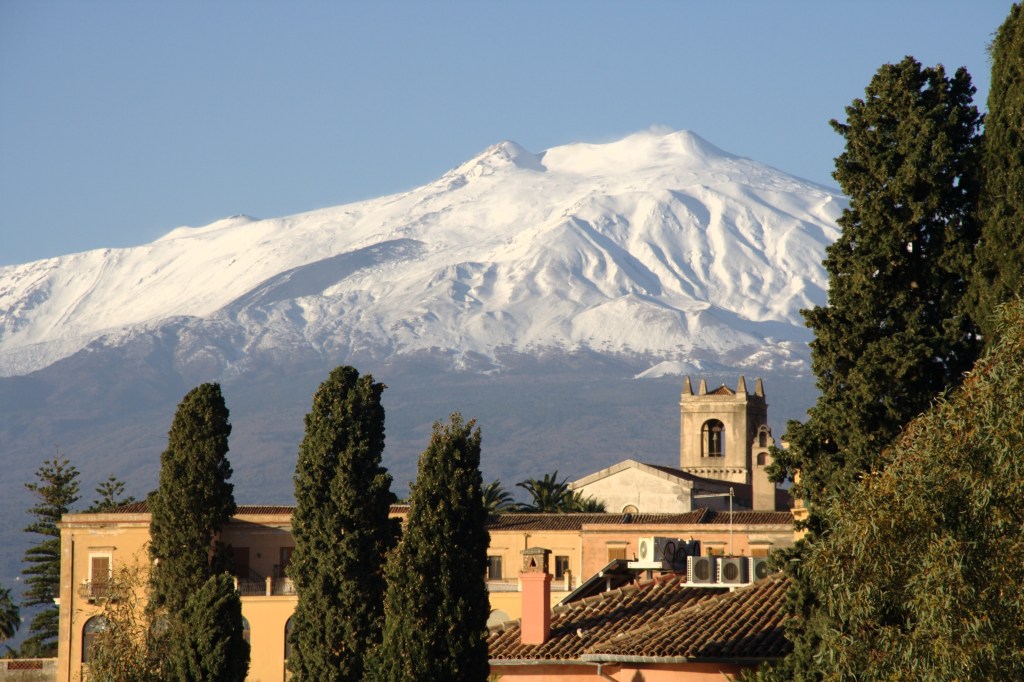
- Day 4 · Mount EtnaEtna’s craters and lava fields in a private 4×4 with a mountain guide, then lunch and a tasting at a boutique winery on the volcano.
- Days 5–6 · TaorminaThe Greek Theatre with a private guide, a boat along Isola Bella and its sea caves, and a free day for the beach or Corso Umberto.
- Days 7–8 · Syracuse and OrtigiaThe Neapolis Archaeological Park and the island of Ortigia, then the high-speed ferry from Pozzallo to Malta.
- Days 9–10 · Valletta and MdinaValletta, St John’s Co-Cathedral and the Three Cities, then medieval Mdina and Rabat with a guide and a boutique winery tasting.
- Days 11–12 · Gozo and CominoA private boat to Gozo and the Blue Lagoon, then Marsaxlokk, the Blue Grotto and your flight home.
When to go
Sicily and Malta through the year
Both islands can be visited all year, with mild winters and long summers. We help you choose the right moment and book the best hotels, drivers and boats in advance.
Spring
Mild weather and blooming countryside, ideal for the Valley of the Temples, Malta’s temples and boat trips.
Summer
Hot and sunny, perfect for the Aeolian Islands, Gozo and Comino. Book drivers and boats early.
Autumn
A warm sea, quieter towns and the wine harvest on Etna and in Malta’s vineyards.
Winter
Mild and quiet, with almond blossom in Sicily in February and sunny days in Malta.
Combining the two
Sicily and Malta in one trip
Malta is not part of Italy: it is an independent island nation with its own history, a unique blend of Italian, British and Mediterranean influences, and English as an official language. It lies just south of Sicily, so the two combine beautifully.
A typical journey begins in Palermo or Catania and continues to Malta by high-speed ferry from Pozzallo (about two hours) or by a short flight from Catania. We act as your single point of contact across both countries, with luggage, port and airport logistics included.
Our Malta and Gozo journey · Sicily on foot and by sea · Beyond Italy
Can Sicily and Malta be combined in one trip?
Absolutely. In fact, Sicily and Malta are one of the most rewarding destination combinations in the Mediterranean.
Located just south of Sicily, Malta can easily be added to a Sicily itinerary, allowing travelers to experience two fascinating islands with distinct cultures, landscapes, and histories.
While Sicily offers dramatic coastlines, active volcanoes, ancient Greek temples, charming villages, and world-famous cuisine, Malta adds fortified cities, crystal-clear waters, prehistoric sites, and a unique blend of Italian, British, and Mediterranean influences.
Many travelers begin their journey in Palermo or Catania, explore Sicily’s highlights such as Taormina, Mount Etna, Syracuse, Cefalù, and the Valley of the Temples, before continuing to Malta by ferry or flight.
One of the advantages of combining Sicily and Malta is the diversity of experiences. Although geographically close, the two islands feel remarkably different. Sicily is larger, more varied, and deeply rooted in Italian culture, while Malta offers a compact destination rich in history and easy to explore.
For travelers looking to experience the best of the Mediterranean, combining Sicily and Malta in a single itinerary provides an excellent balance of culture, history, gastronomy, beaches, and relaxation.
For a day-by-day plan, read our Sicily and Malta in 10 days itinerary.
How many days do you need for Sicily and Malta?
To experience both destinations comfortably, we generally recommend a minimum of 10 to 14 days.
For travelers combining Sicily and Malta, a balanced itinerary might include 7 to 10 days in Sicily and 3 to 5 days in Malta. This allows enough time to explore the major highlights without feeling rushed.
Sicily is Italy’s largest island and offers an extraordinary variety of experiences. Popular destinations include Palermo, Cefalù, Taormina, Syracuse, Noto, Ragusa, Mount Etna, and Agrigento. Due to the island’s size, travelers often underestimate how much time is needed to explore it properly.
Malta is much smaller and easier to navigate. In three or four days, visitors can discover Valletta, Mdina, Rabat, the Blue Lagoon, Gozo, and the island’s beautiful coastline.
Travelers with more time can easily spend two weeks or longer between the two islands. Food lovers, history enthusiasts, beachgoers, and travelers interested in authentic Mediterranean culture often find themselves wishing they had stayed longer.
At Italy Bespoke Tours, our most popular Sicily and Malta itineraries typically range between 12 and 14 days, offering an ideal balance between exploration and relaxation.
What is the best way to travel from Sicily to Malta?
The best way to travel between Sicily and Malta depends on your itinerary, schedule, and preferred level of comfort.
The most popular option is the high-speed ferry connecting Pozzallo in southeastern Sicily with Valletta in Malta. The crossing typically takes around two hours and provides a convenient and scenic connection between the two islands.
For travelers already visiting Syracuse, Noto, Ragusa, or the southeastern region of Sicily, the ferry is often the most practical solution. It allows passengers to avoid airports while enjoying beautiful views of the Mediterranean Sea.
Flights are also available between Sicily and Malta, particularly from Catania. While the flight itself is short, travelers should consider airport transfers, security procedures, and waiting times, which can make the overall journey longer than expected.
For most leisure travelers, we generally recommend the ferry. It is efficient, comfortable, and often provides the most seamless transition between the two destinations.
When planning a custom itinerary, we carefully coordinate accommodations, transfers, and transportation schedules to ensure a smooth and stress-free journey between Sicily and Malta.
Is Malta worth visiting?
Yes, Malta is absolutely worth visiting and is one of the Mediterranean’s most underrated destinations.
Despite its relatively small size, Malta offers an impressive combination of history, culture, beaches, architecture, and gastronomy.
The island’s strategic location has attracted numerous civilizations over thousands of years, including the Phoenicians, Romans, Arabs, Knights of St. John, French, and British.
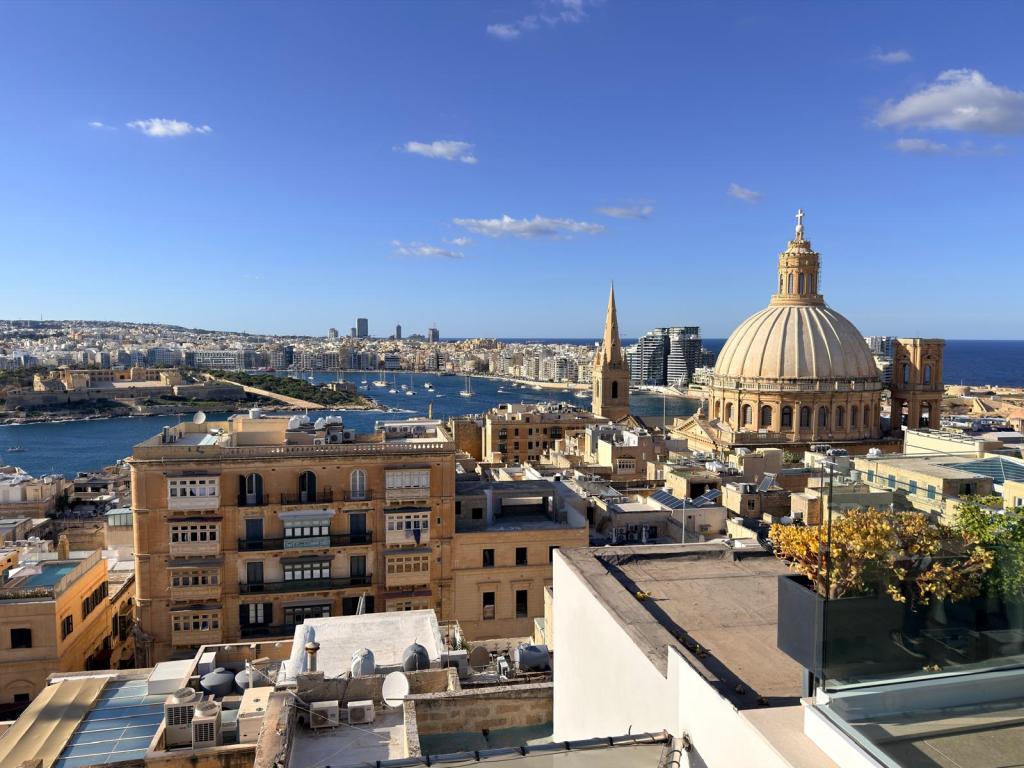
Valletta, the capital city, is a UNESCO World Heritage Site filled with historic buildings, charming streets, impressive fortifications, and stunning sea views. Visitors can also explore the medieval city of Mdina, the fishing village of Marsaxlokk, and the beautiful island of Gozo.
Malta is particularly appealing to travelers interested in history. The islands are home to some of the world’s oldest freestanding structures, many of which predate the pyramids of Egypt.
Beyond its cultural attractions, Malta also offers beautiful swimming spots, crystal-clear waters, excellent diving opportunities, and a pleasant Mediterranean climate.
For travelers already visiting Sicily, adding Malta provides an excellent opportunity to experience another unique destination without traveling far.
Which is better, Sicily or Malta?
This is one of the most common questions we receive, but the answer depends entirely on what type of experience you are seeking.
Sicily is larger, more diverse, and offers a wider variety of landscapes and attractions. Visitors can explore ancient Greek temples, active volcanoes, historic cities, beautiful beaches, mountain villages, and world-renowned food and wine regions.
Sicily feels like a destination where you could spend several weeks and still discover something new every day.
Malta, on the other hand, is smaller, easier to explore, and particularly rich in history and coastal scenery. Travelers often appreciate Malta’s compact size, which allows them to see many highlights in a relatively short amount of time.
For food lovers, Sicily generally offers a more diverse culinary scene. For ancient history enthusiasts, both destinations are exceptional.
For beach lovers, both islands offer beautiful coastlines, although the style of beaches and landscapes differs considerably.
If forced to choose only one destination, many travelers would likely select Sicily because of its size and variety.
However, the ideal solution is often to combine both islands into a single itinerary and enjoy the unique strengths of each.
What is the best time to visit Sicily and Malta?
The best time to visit Sicily and Malta is generally between April and June and again from September through October.
Spring offers pleasant temperatures, blooming landscapes, and fewer crowds compared to the peak summer season. It is an excellent time for sightseeing, walking tours, archaeological sites, and exploring historic towns.
Summer, particularly July and August, brings hot temperatures and busy tourist areas. While this is a fantastic time for beach holidays and swimming, travelers should expect higher prices and larger crowds throughout both Sicily and Malta.
September is often considered one of the very best months to visit. The sea remains warm from the summer months, temperatures are comfortable, and the busiest crowds begin to diminish.
October is also an excellent choice, especially for travelers focused on culture, food, wine, and sightseeing.
At Italy Bespoke Tours, we often recommend May, June, September, and early October as the ideal months for experiencing both Sicily and Malta.
Do I need a car in Sicily and Malta?
For most visitors, we do not recommend renting a car when traveling through Sicily and Malta.
While both destinations offer incredible landscapes, historic towns, and beautiful coastal scenery, driving is not always the most relaxing way to experience them. Many travelers underestimate the challenges that can come with navigating unfamiliar roads, busy city centers, limited parking, and local driving habits.
In Sicily, traffic can be particularly hectic in larger cities such as Palermo and Catania, while parking in popular destinations like Taormina, Syracuse, and Cefalù can be both difficult and expensive. Although a rental car provides flexibility, it can also add unnecessary stress to what should be an enjoyable vacation.
Malta presents a different challenge. The country follows left-hand traffic, similar to the United Kingdom, which can require a significant adjustment for visitors coming from North America, continental Europe, and many other parts of the world. Combined with narrow streets, busy traffic, and limited parking in historic areas, driving in Malta is often less enjoyable than travelers anticipate.
For this reason, we generally recommend private transportation throughout both Sicily and Malta. Private transfers offer a comfortable, efficient, and stress-free way to travel between destinations while allowing you to relax and enjoy the scenery. They also eliminate concerns about parking, navigation, fuel costs, tolls, and unfamiliar driving regulations.
Many of our clients choose centrally located accommodations in destinations such as Palermo, Taormina, Syracuse, Valletta, and Mdina, allowing them to explore restaurants, shops, historical sites, and waterfront areas on foot. Combined with private transfers and selected excursions, this approach provides a far more enjoyable travel experience than spending valuable vacation time behind the wheel.
In our experience, the best way to discover Sicily and Malta is to focus on the culture, cuisine, history, and breathtaking scenery while leaving the transportation logistics to local professionals. This allows travelers to maximize their time, travel comfortably, and fully enjoy everything these remarkable Mediterranean destinations have to offer.
What are the must-see places in Sicily and Malta?
Sicily offers an extraordinary variety of attractions, making it one of Italy’s most fascinating regions.
Some of the destinations we most frequently recommend include:
Palermo – Sicily’s vibrant capital, known for its markets, architecture, and street food.Taormina – Famous for its Greek Theatre, spectacular views, and elegant atmosphere.Mount Etna – Europe’s highest active volcano and one of Sicily’s most iconic landmarks.Syracuse – A historic city featuring the ancient Greek archaeological park and beautiful Ortigia Island.Noto – Renowned for its magnificent Baroque architecture.Ragusa – One of Sicily’s most beautiful historic towns and a UNESCO World Heritage Site.Modica – Famous for its chocolate traditions and stunning historic center.Cefalù – A charming seaside town with beautiful beaches and a Norman cathedral.Agrigento – Home to the spectacular Valley of the Temples, one of the most important archaeological sites in Europe.The Aeolian Islands – A paradise for nature lovers, boat enthusiasts, and travelers seeking a more relaxed pace.
Together, these destinations showcase the incredible diversity that makes Sicily such a rewarding destination.
What are the must-see places in Malta?
Although compact in size, Malta offers an impressive collection of attractions.
Highlights include:
Valletta – The capital city and a UNESCO World Heritage Site known for its fortifications, architecture, and cultural attractions.Mdina – Malta’s ancient walled city, often called the “Silent City.”Rabat – Located next to Mdina and home to important historical and religious sites.Gozo – Malta’s sister island, offering beautiful landscapes, charming villages, and a slower pace of life.Blue Lagoon – One of the Mediterranean’s most famous swimming locations, known for its crystal-clear turquoise waters.Marsaxlokk – A picturesque fishing village famous for its colorful traditional boats and seafood restaurants.The Three Cities – Vittoriosa, Senglea, and Cospicua, offering fascinating insights into Malta’s maritime history.Hagar Qim and Mnajdra – Remarkable prehistoric temple complexes overlooking the sea.St. John’s Co-Cathedral – One of Malta’s most impressive landmarks, located in Valletta.Dingli Cliffs – Spectacular coastal viewpoints offering some of the island’s most dramatic scenery.
Despite its small size, Malta offers enough history, culture, and natural beauty to keep visitors engaged for several days and serves as a perfect complement to a Sicily itinerary.
Is Malta part of Italy?
No. Malta is an independent country and a member of the European Union, with its own government and culture. It lies about 90 km south of Sicily, which is why so many travellers combine the two in a single trip.
Are your Sicily and Malta tours private?
Yes. Every Sicily and Malta journey we design is private and tailor-made. We do not sell fixed packages or join you to large groups: your itinerary is built from scratch around your dates, interests and pace.
In Sicily and in Malta, a separate country, that means private guides for Palermo, Taormina, Siracusa and Valletta, a private driver across Sicily’s long distances, private Etna excursions, and every connection between the two islands planned for you.
Your journey includes hand-picked hotels, private transfers and 24/7 assistance in the Italian time zone throughout your trip. If you would like a shared experience, such as a small-group masterclass, we will always tell you in advance.
To start, tell us about your trip for a free, no-obligation proposal, or book a free 30-minute call with our team.
“Five star experience. Deluxe treatment with expert guides and drivers.”
Thomas M. · Google review
Ready to plan Sicily and Malta?
Tell us your dates and what you love, and we will reply personally with first ideas and a free, no-obligation proposal.